



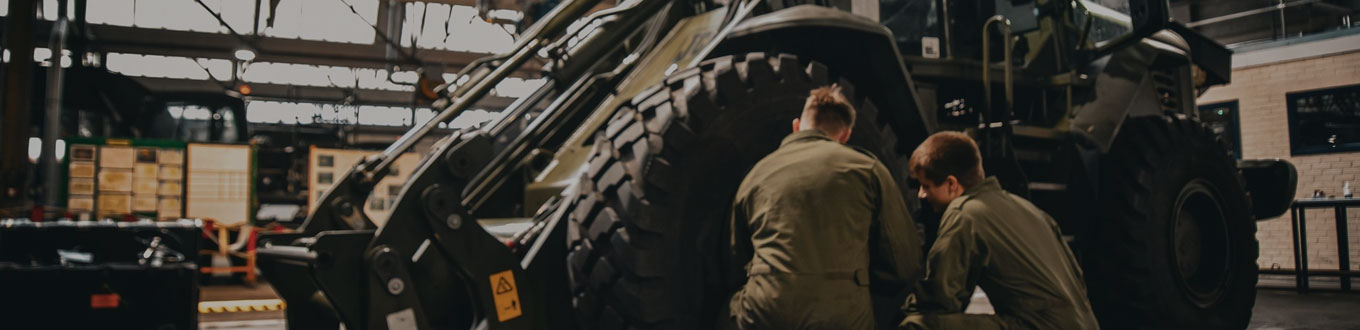
Army Equipment Repair and Maintenance

Army Equipment Repair and Maintenance – HEPL (Hydrol Engg Pvt Ltd)

Army equipment repair and maintenance play a vital role in ensuring operational readiness, reliability, and long-term performance of defense assets. Military vehicles, hydraulic systems, engineering equipment, and support machinery operate in demanding environments that require continuous inspection, timely servicing, and technically precise repairs. At HEPL (Hydrol Engg Pvt Ltd), specialized maintenance solutions are designed to support the durability and functionality of critical defense equipment.

Army equipment maintenance follows a structured, multi-layered approach. The first level begins with routine inspections and preventive checks conducted by trained operators. These checks include monitoring hydraulic pressure, lubrication levels, electrical connections, and mechanical components to detect early signs of wear. Preventive maintenance at this stage helps reduce unexpected breakdowns and supports smooth field operations.
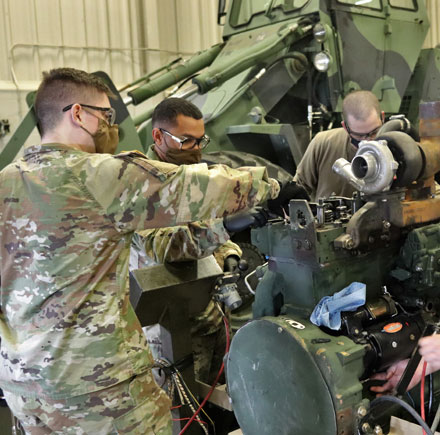
The second level of maintenance involves technical servicing and component replacement performed by qualified engineers and technicians. During this stage, systems such as hydraulic assemblies, control units, engines, and structural components are thoroughly inspected using professional diagnostic tools. Precision repair and calibration ensure that equipment continues to meet operational standards required for military use.

Complex repairs and system overhauls represent the third level of the maintenance process. These services are generally carried out at specialized engineering facilities equipped with advanced machinery and testing capabilities. HEPL (Hydrol Engg Pvt Ltd) provides professional engineering expertise in hydraulic equipment servicing, component refurbishment, and performance testing to help extend equipment life cycles and maintain reliability.

Quality control, documentation, and adherence to strict engineering standards are essential throughout the maintenance process. Every repair and service procedure is carried out with attention to safety, durability, and technical accuracy.

Through systematic maintenance, skilled engineering support, and advanced repair capabilities, HEPL (Hydrol Engg Pvt Ltd) contributes to the effective upkeep of army equipment, helping defense organizations maintain dependable and mission-ready machinery in demanding operational conditions.

Our Core Maintenances

Field Maintenance (Organizational)

Field maintenance, often referred to as organizational maintenance, is the first and most immediate level of army equipment repair and servicing. This type of maintenance is performed directly by the unit that operates the equipment, allowing quick response to routine technical issues and ensuring that equipment remains ready for operational duties. The primary objective of field maintenance is to keep military systems functioning reliably through regular inspections, preventive servicing, and minor repairs.

At this level, trained operators and maintenance personnel carry out daily and scheduled checks on vehicles, engineering machinery, hydraulic systems, and other mission-critical equipment. Activities typically include lubrication of moving components, tightening mechanical connections, inspecting hydraulic lines, monitoring fluid levels, cleaning critical parts, and replacing small components such as seals, filters, hoses, or electrical connectors. These procedures help detect early signs of wear, corrosion, or mechanical stress before they develop into larger mechanical failures.

Field maintenance emphasizes speed and efficiency. Equipment used in defense operations often functions in harsh environments including dust, extreme temperatures, and rough terrain. Regular inspections help maintain operational reliability and prevent unexpected equipment downtime during missions.

Engineering expertise also plays an important role in field maintenance. Maintenance teams rely on technical manuals, diagnostic tools, and standard operating procedures to ensure repairs meet required safety and performance standards. Proper documentation of service activities allows units to track equipment performance and plan future servicing schedules.

Organizations like HEPL (Hydrol Engg Pvt Ltd) support field maintenance operations by providing high-quality hydraulic components, repair services, and technical assistance for military engineering equipment. Reliable field maintenance ultimately extends equipment life cycles and ensures that army units can depend on their machinery during critical operations.

Sustainment Maintenance (Depot)

Sustainment maintenance, commonly known as depot-level maintenance, represents the most advanced and resource-intensive stage of army equipment repair and refurbishment. Unlike field maintenance, which focuses on quick repairs performed by operational units, sustainment maintenance involves comprehensive technical work carried out at specialized facilities equipped with advanced engineering infrastructure.

This level of maintenance addresses complex mechanical issues, major component failures, and full system overhauls that cannot be completed in field environments. Equipment such as armored vehicles, hydraulic systems, engines, transmission assemblies, and electronic control units may require detailed disassembly, inspection, and rebuilding. Skilled engineers and technicians conduct precision diagnostics to identify structural damage, component fatigue, and performance degradation.

Depot maintenance facilities are designed to handle heavy engineering tasks, including machining, welding, hydraulic testing, structural refurbishment, and system calibration. Advanced testing equipment ensures that repaired or rebuilt components meet the strict operational standards required for military deployment. These facilities also maintain specialized tools and replacement parts that may not be available to field maintenance units.

Another important function of sustainment maintenance is equipment modernization and life-cycle extension. Through systematic refurbishment and component upgrades, defense organizations can improve reliability and maintain operational capability without replacing entire systems. Detailed documentation and quality control procedures are essential to ensure that every repair meets engineering and safety standards.

Companies such as HEPL (Hydrol Engg Pvt Ltd) contribute to sustainment maintenance by providing technical expertise in hydraulic system repair, component rebuilding, and performance testing. By supporting depot-level maintenance activities, engineering specialists help extend the service life of critical army equipment and ensure long-term operational readiness.

Battle Damage Assessment and Repair (BDAR)

Battle Damage Assessment and Repair (BDAR) is a specialized maintenance approach developed to restore damaged military equipment to operational status during active missions or combat situations. Unlike standard maintenance procedures, BDAR focuses on rapid, temporary repairs that allow equipment to perform essential functions until more comprehensive servicing can be completed later.

The BDAR process begins with a rapid assessment of the damaged system. Maintenance personnel quickly examine the equipment to identify critical components affected by impact, mechanical failure, or structural damage. The goal of this assessment is to determine whether the equipment can be safely restored to minimum operational capability using available tools and resources.

Once the damage is evaluated, technicians implement temporary repair solutions designed to bypass damaged components or stabilize the system. This may involve reinforcing structural sections, isolating damaged hydraulic lines, replacing critical connectors, or improvising mechanical supports to restore movement or control functions. These repairs are carefully performed to ensure that the equipment can operate safely for a limited period during ongoing operations.

BDAR techniques rely heavily on the technical knowledge and experience of maintenance personnel. Engineers and technicians must understand the design and function of complex military equipment in order to identify safe temporary solutions under time-sensitive conditions. Quick decision-making and practical engineering skills are essential for successful BDAR implementation.

Engineering support organizations such as HEPL (Hydrol Engg Pvt Ltd) play an important role by providing durable hydraulic components, repair expertise, and technical guidance that can assist in restoring damaged equipment. Although BDAR repairs are temporary, they are critical for maintaining mission capability and ensuring that essential military systems continue to function during demanding operational scenarios.